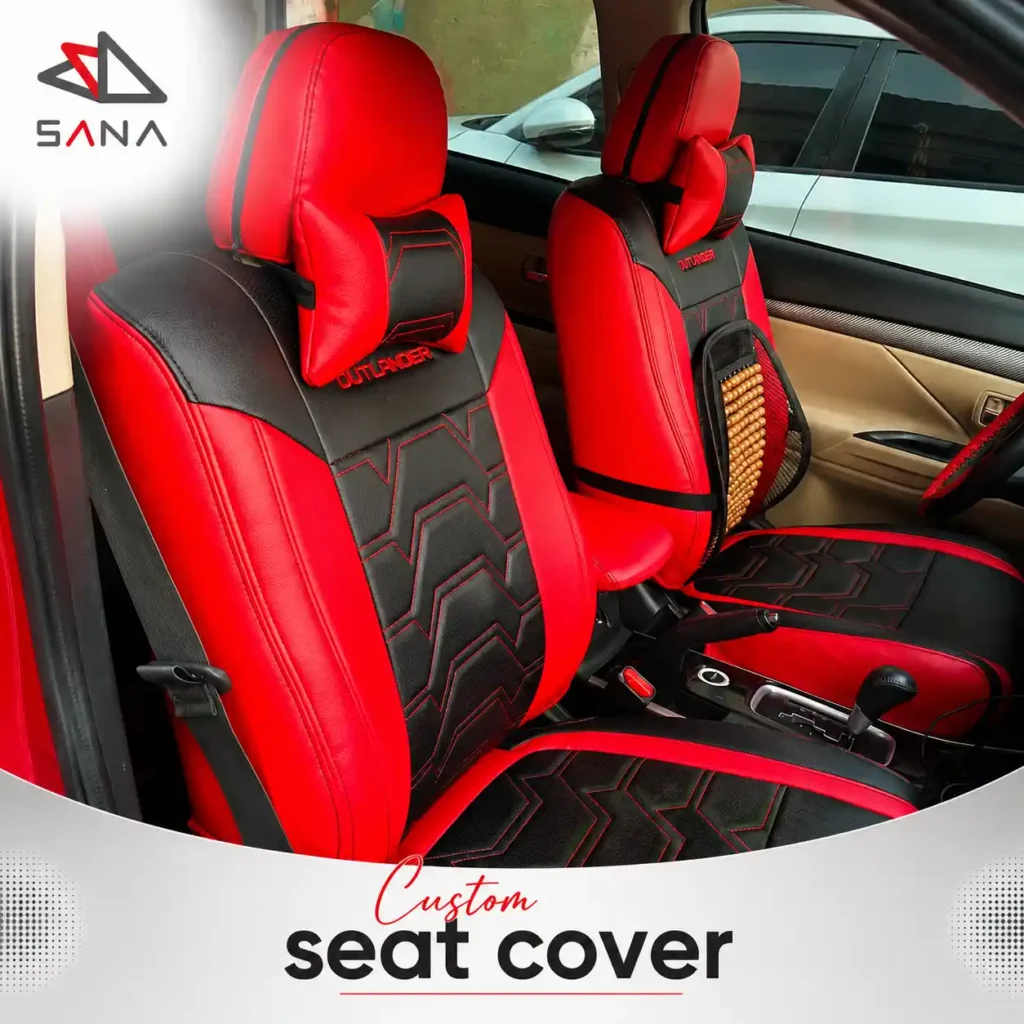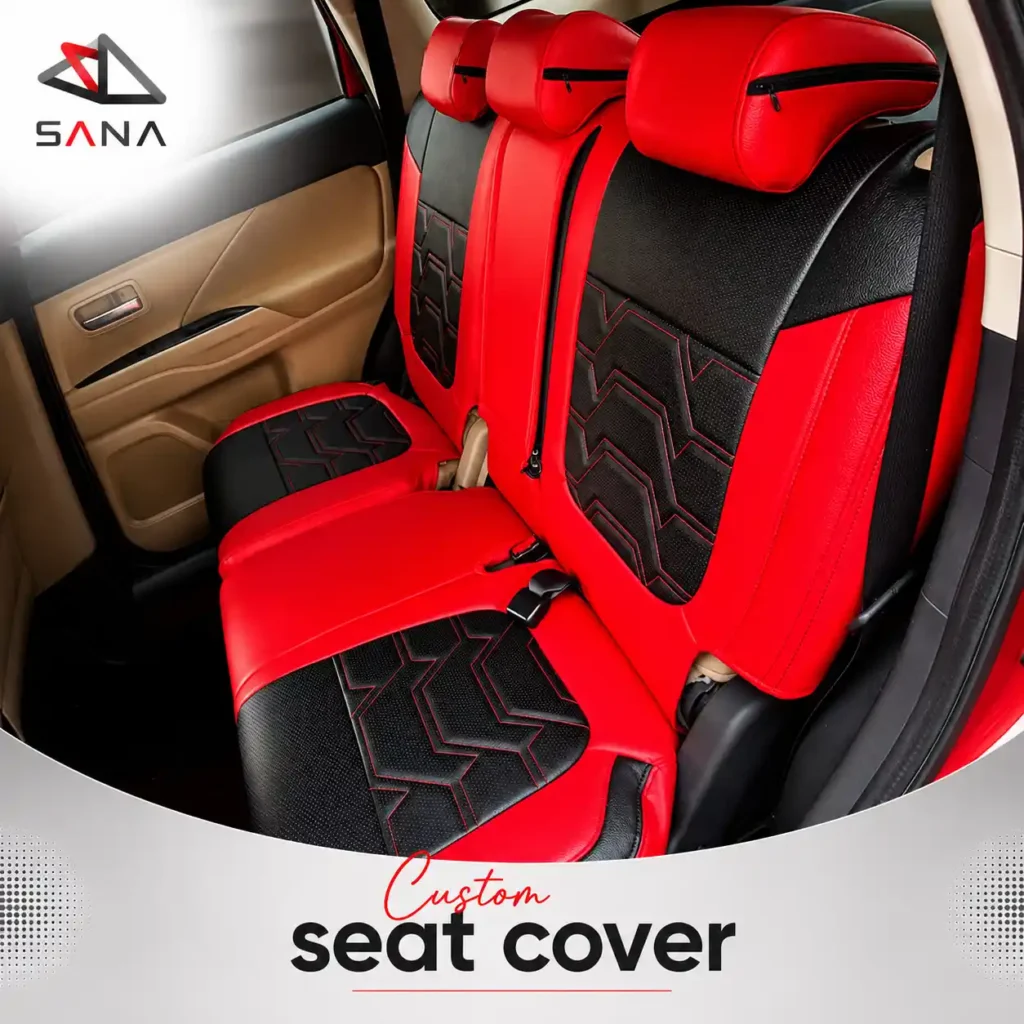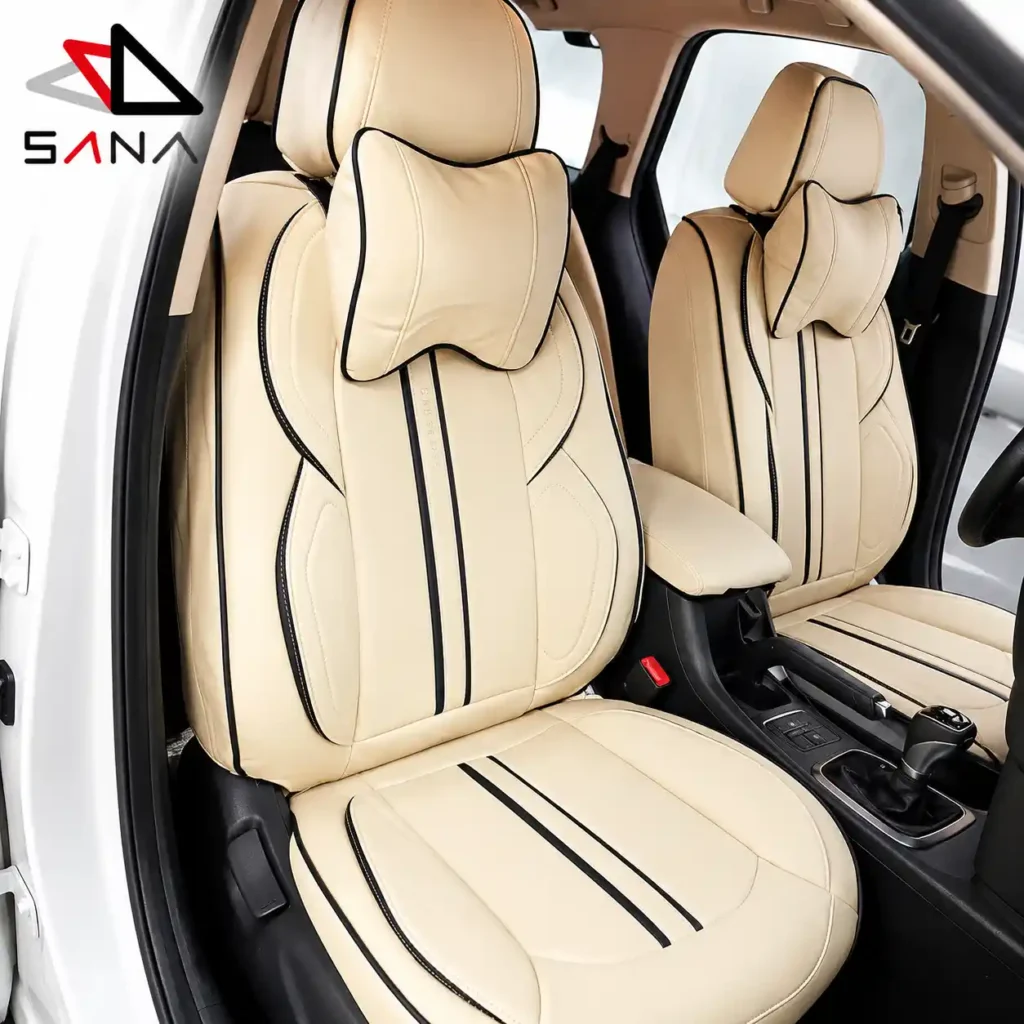
A loose seat cover can ruin an SUV interior faster than no seat cover at all. It bunches at the corners, shifts every time you get in, traps dust underneath, and makes the cabin look cheap. If you are shopping for the best custom fit seat covers for SUV use, the real goal is not just protection. It is a cleaner look, better comfort, and a finish that feels built into the vehicle instead of thrown over it.Best Custom Fit Seat Covers for SUV Buyers
SUV owners usually ask for more than basic protection. Family use, school runs, long drives, work gear, pets, desert dust, food spills, and constant sun exposure all put more pressure on the cabin than most sedan interiors ever see. That is why custom fit matters. A proper model-specific seat cover follows the exact contours of the seat base, backrest, headrests, armrests, and cutouts. The result looks sharper, lasts longer, and keeps the interior easier to maintain. Best Custom Fit Seat Covers for SUV Buyers
What makes the best custom fit seat covers for SUV models?
The first thing is fitment. This sounds obvious, but it is where many buyers make the wrong choice. Universal covers are cheaper upfront, but they rarely sit correctly on modern SUV seats. Many SUVs now have split-fold rear benches, seat-mounted airbags, ISOFIX access points, rear armrests, ventilation patterns, and different headrest shapes. If the cover ignores those details, the cabin starts looking untidy immediately.
Good custom fit seat covers are patterned for the exact make, model, and year. They account for seat controls, stitching lines, and folding functions. That level of accuracy is what separates a genuine interior upgrade from a temporary accessory.Best Custom Fit Seat Covers for SUV Buyers
Material quality is the next factor. For SUV use, the best option depends on how the vehicle is used. If the priority is a premium cabin appearance, leather-style materials with padded structure give the interior a more upscale finish. If the SUV handles heavy family traffic or commercial driving, waterproof and easy-clean surfaces matter more than soft-touch luxury alone. In many cases, the right answer is a balance of both.
Then there is construction. A custom seat cover should not just look good on day one. It should hold its shape after months of getting in and out, resist edge wear, and stay stable without constant adjustment. Strong stitching, properly reinforced stress points, and dense foam support all make a difference.Best Custom Fit Seat Covers for SUV Buyers
Why SUV owners should avoid universal seat covers
SUV cabins are larger, more visible, and often more heavily used than smaller vehicles. That means poor fit stands out faster. The seat cover may look acceptable in photos, but once installed, weak side panels, loose corners, and exposed original upholstery around the edges become obvious.
There is also a practical issue. Badly fitted covers can interfere with seat access, Best Custom Fit Seat Covers for SUV Buyers folding functions, and child-seat installation points. In some cases, they may cover handles or make rear-seat operation awkward. That is not just inconvenient. It defeats the point of upgrading the cabin in the first place.
If you want the interior to feel premium, custom fit is the standard. It gives the seat a factory-shaped appearance and helps preserve the underlying upholstery more effectively because the material stays in place.
Choosing the right material for your SUV
Not every SUV owner needs the same finish. The best custom fit seat covers for SUV interiors depend on whether you want a luxury look, heavy-duty protection, or both.
Leather-style seat covers are popular because they instantly elevate the cabin. They work especially well in SUVs where owners want a cleaner, more executive feel. A well-finished synthetic leather surface is easier to wipe down than cloth, handles daily mess better, and gives a much richer appearance than low-cost fabric covers. The key is choosing a grade that does not feel thin or overly plastic.
For households with kids, pets, or frequent outdoor use, waterproof materials make daily life simpler. Spills can be cleaned quickly, dust does not settle as deeply, and the seats are easier to maintain between full interior cleans. This is especially useful for owners who use their SUV for mixed city and recreational driving.
Quilted and padded designs add comfort and visual depth. They are a strong choice for drivers who want the cabin to feel upgraded, not just protected. However, heavier padded designs should still be cut specifically for the vehicle. Otherwise, the extra bulk can make a poor fit look even worse.Best Custom Fit Seat Covers for SUV Buyers
Breathability is the trade-off buyers should think about. Some thick waterproof materials are excellent for protection but can feel warmer in hot climates. If daily comfort is a top concern, material selection and inner padding quality matter just as much as the outer finish.
Features worth paying for
A premium SUV seat cover should do more than cover the seat. It should preserve usability and improve the way the interior feels.
Airbag compatibility is essential. Modern SUVs often have integrated side airbags, and the seat cover design must respect those deployment zones. Precise cut patterns and correct stitching methods are part of a proper custom-fit job.
Headrest and armrest integration also matter. Separate, well-shaped sections look cleaner than loose one-piece covers. The same goes for rear-seat split configurations. If your SUV has 40/20/40 or 60/40 folding seats, the cover needs to match that layout exactly.
Storage access, seatbelt slots, and child-seat anchor access should remain usable after installation. These are small details, but they affect daily convenience more than buyers expect.
Finally, look at finish options. Color matching, contrast stitching, panel design, and surface texture all shape the final appearance. A custom interior should complement the SUV, not fight with it. Black, beige, tan, and two-tone combinations are popular because they preserve resale appeal while still making the interior feel upgraded.
Best custom fit seat covers for SUV owners by use case
If your SUV is a family vehicle, easy-clean waterproof upholstery is usually the smartest buy. You want material that handles spills, shoes, snacks, and constant entry and exit without showing wear too quickly. Darker tones and textured finishes usually age better in this setup.
If your SUV is a personal daily driver and you care about appearance, premium leather-style covers with tailored stitching are the better choice. They sharpen the cabin instantly and make the interior feel more expensive every time you open the door.
If you drive for work, ride service, or high-mileage use, durability should come first. Choose material that resists creasing, wipes down fast, and keeps a clean look with minimal maintenance. Fancy finishes are attractive, but long-term shape retention matters more when the seats see heavy daily use.
If you own a luxury SUV, the seat covers should match the level of the cabin. Cheap universal products can drag down the whole interior. In this category, precision fit, premium texture, and clean installation are non-negotiable.
Installation quality changes everything
Even the best material can look average if it is installed poorly. Loose straps, uneven alignment, or wrinkled panels can make a premium set look rushed. A professional fitment approach gives better tension, cleaner edges, and a more integrated final result.
That is where a specialist matters. A workshop that handles model-specific interior upgrades every day understands how to fit covers around seat geometry, electronics, and trim pieces without compromising the look. Sana Auto Services is built around that kind of result – custom interior products that feel tailored, durable, and premium from the start.
For buyers ordering seat covers, it is worth asking how the product is patterned, what material grade is used, whether rear-seat configurations are supported, and how the finish will hold up after regular use. These questions tell you very quickly whether you are buying a true custom solution or just a better-marketed generic cover.
How to shop smart before you buy
Start with the exact vehicle details. Year, trim, seat configuration, and special features all affect fitment. An SUV model can have multiple seat layouts, and guessing often leads to disappointment.
Next, decide what matters most: luxury appearance, waterproof protection, easier cleaning, or heavy-duty daily use. Best Custom Fit Seat Covers for SUV Buyers The best cover is the one that matches your real driving habits, not the one with the flashiest photos.
Then focus on long-term value. A lower-cost set that shifts, creases, or wears quickly is not really cheaper. A properly made custom fit cover protects your original upholstery, keeps the cabin presentable, and supports resale condition over time.
The best SUV interiors are not built with random accessories. They are upgraded with components that fit correctly, wear well, and match the character of the vehicle. If you want your cabin to look cleaner, feel more refined, and stay protected through daily use, choose seat covers the same way you would choose upholstery – by fit, finish, and how well they hold up when real life hits the seats.