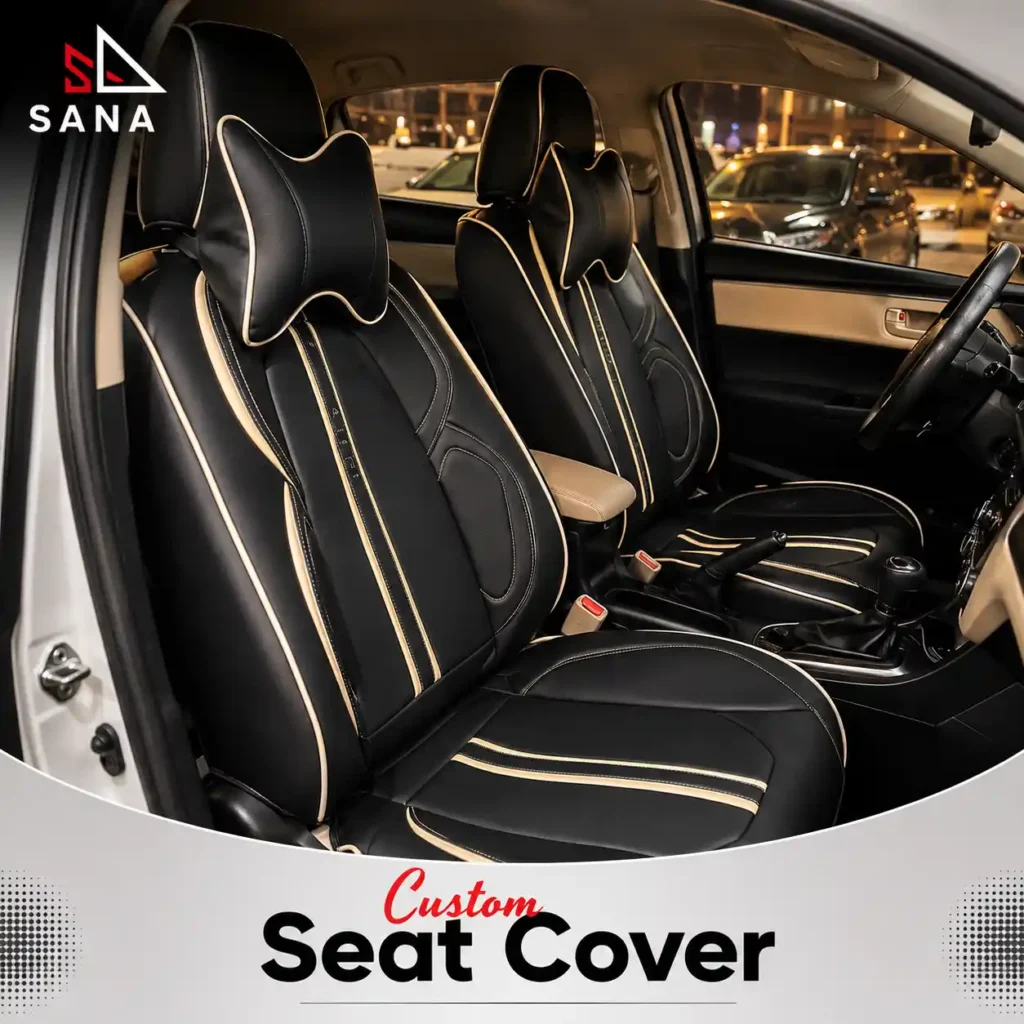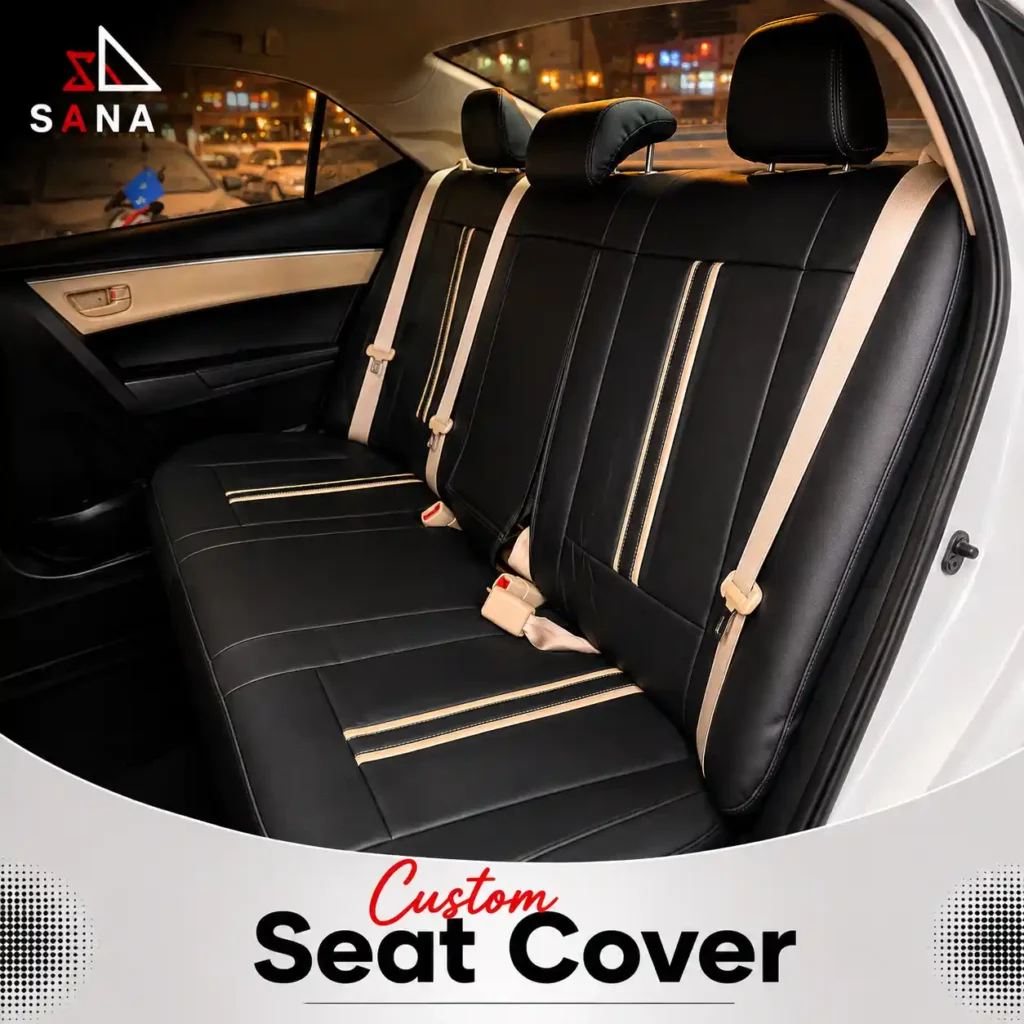
A loose seat cover does more than look cheap. It shifts when you get in, bunches at the edges, traps dust underneath, and takes away from the clean, tailored look your interior should have. Custom-fit seat covers solve that problem by matching the shape, contours, and access points of your exact vehicle seats, so the cabin feels finished instead of patched together.
Why Custom-Fit Seat Covers Are Worth It For drivers in the UAE and across the Gulf, that difference matters even more. Heat, dust, daily use, family traffic, work commutes, and long highway hours all show up first on the seats. When the cabin is one of the most visible parts of your car ownership experience, generic covers are rarely enough. A proper fit protects the original upholstery, improves day-to-day comfort, and gives the interior a stronger premium presence.
What custom-fit seat covers actually change
The biggest advantage is fitment. Universal covers are made to suit many seat shapes, which usually means they do not truly suit any of them well. They can leave gaps around the headrests, sit unevenly on the bolsters, and interfere with armrests or rear-seat folding points. That creates a cabin that looks temporary.
Custom-fit seat covers are built around a specific make and model. Why Custom-Fit Seat Covers Are Worth It That means the cut, stitching layout, headrest openings, seatbelt access, and seat profile are designed to align with the original seat. The result is tighter coverage, cleaner lines, and less movement over time. If your goal is a factory-style finish or a VIP interior look, this is the standard that gets you there.
Protection is the second major change. Original fabric and leather seats wear down faster in harsh climates, especially when exposed to heat, sunlight, moisture from clothes, food spills, kids, pets, and repeated entry and exit. Once factory upholstery starts cracking, fading, or staining, restoring it is far more expensive than protecting it early. Seat covers act as the first layer of defense, but only when they stay in place and fully cover the contact areas that take the most abuse.
Custom-fit seat covers vs universal options
Price is usually the reason people consider universal covers first. On the surface, they seem like the quicker and cheaper option. But there is a trade-off. Lower upfront cost often brings a shorter lifespan, weaker appearance, and a poor fit that needs regular readjustment.
A model-specific cover costs more because more work goes into patterning, stitching, and material layout. That extra cost is what creates the difference you can see every time you open the door. For luxury SUVs, executive sedans, family vehicles, and pickups used daily, the visual payoff is immediate. The cabin looks upgraded instead of merely protected.
There is also a practical trade-off to consider. Why Custom-Fit Seat Covers Are Worth It If you drive a car occasionally and only want basic temporary coverage, a universal option may be enough. But if you use the vehicle every day, carry passengers often, or care about resale value and interior presentation, custom fit is the smarter long-term decision.
Why material choice matters as much as fit
Fit gets the shape right, but material determines how the seat cover performs over time. This is where many buyers make the wrong comparison. Why Custom-Fit Seat Covers Are Worth It They focus on color or stitching first, when they should also be asking how the material handles heat, friction, cleaning, and regular use.
Leather-style finishes remain popular because they give the interior a richer, more refined look. They are easier to wipe clean than many fabric options, and they pair well with premium interior upgrades such as custom floor mats and door trim work. For many drivers, they offer the best balance between luxury appearance and practical maintenance.
That said, not all leather-style materials feel the same. Some are too thin and crease quickly.Why Custom-Fit Seat Covers Are Worth It Others hold shape better, feel denser, and resist wear more effectively. The quality of backing, foam support, stitch strength, and edge finishing all affect how the cover sits on the seat after months of use. A premium seat cover should still look structured, not tired, after daily driving.
Breathability can also matter depending on the vehicle and driving routine. Some drivers want a softer, more ventilated feel for long trips, while others prioritize easier cleaning for children, ride-service use, or work vehicles. The right material depends on whether appearance, durability, comfort, or maintenance is the top priority. In most cases, the best result comes from balancing all four.
Where custom-fit seat covers make the biggest difference
Front seats usually show the fastest wear, especially on the driver’s side. This is where body movement, sunlight exposure, and constant use combine. A tailored cover keeps the seat base and side bolsters protected while preserving the seat’s shape and visual structure.
Rear seats matter just as much for families and SUV owners. Children, groceries, travel bags, and passenger traffic can quickly turn a clean rear bench into the most neglected part of the interior. A fitted rear-seat solution keeps the cabin consistent from front to back, rather than making only the front row look upgraded.
For pickups and work-use vehicles, durability becomes even more important. Drivers often move in and out of the cabin with dust, tools, or heavy clothing, which increases abrasion. In that environment, a tight-fitting, wipe-clean cover is less about appearance alone and more about keeping the interior usable and presentable over time.
The look of a better cabin
Most people notice the floor first when they step into a car, but the seats define the cabin. They occupy the visual center of the interior, so poor upholstery instantly lowers the perceived quality of the whole vehicle. Clean, sculpted seat covers can make an older interior look newer and help a newer interior feel more exclusive.
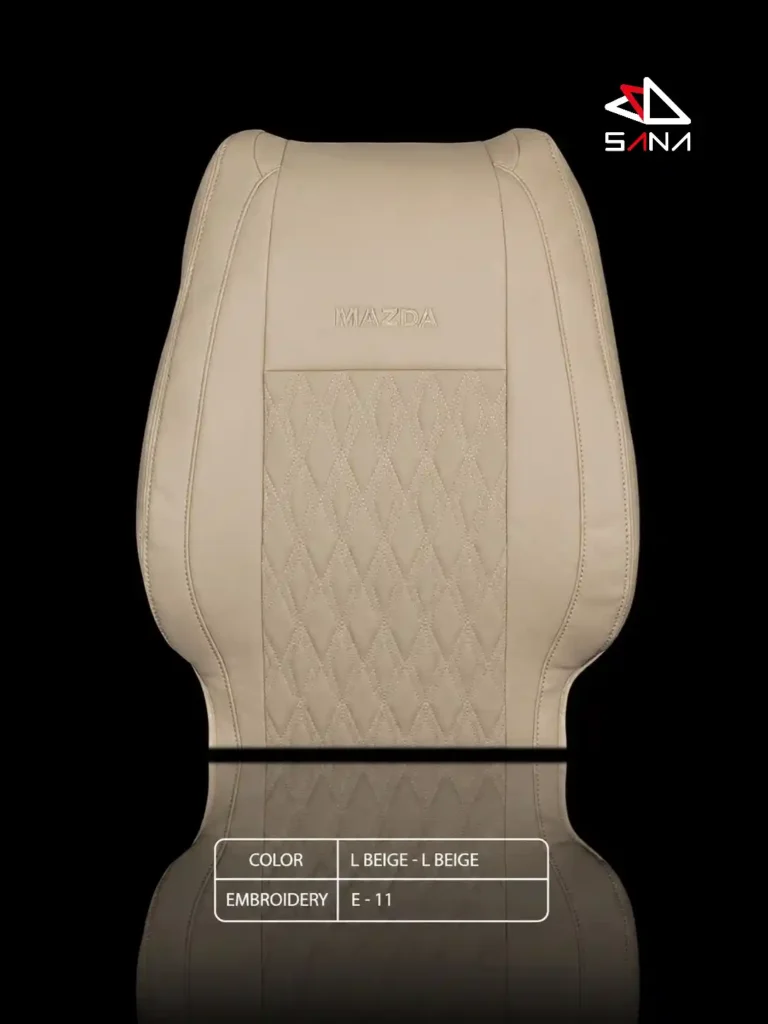
This is why stitching pattern, panel design, color matching, and contour alignment matter. A seat cover should not look like an add-on. It should look intentional. Black with contrast stitching, two-tone combinations, diamond patterns, and VIP-style finishes can all elevate the cabin, but only if the fit is sharp enough to support the design.
For many buyers, the goal is not to make the car flashy. It is to make it feel complete. The right seat cover brings order to the cabin, covers wear without looking like a cover-up, and creates the kind of polished finish that drivers appreciate every day.
Choosing the right custom-fit seat covers for your vehicle
Start with exact vehicle fitment. Make, model, year, and trim can affect seat shape, rear split design, headrest style, and access points.Why Custom-Fit Seat Covers Are Worth It Getting those details right is what separates a proper custom result from a near match that still leaves awkward gaps.
Then look at how the car is used. A family SUV may need easier cleaning and more durable rear-seat protection. A luxury sedan may call for a more premium finish and refined stitching. A ride-service vehicle may need material that balances presentation with resistance to constant use. A pickup may need tougher surfaces that hold up under demanding daily entry and exit.
Installation quality also matters. Even a well-made cover can look average if it is fitted poorly. Tension points, fastening method, edge alignment, and final finishing all affect the outcome. Professional installation gives a more precise result, especially on vehicles with complex seat shapes or premium interiors where loose edges stand out immediately.
That is why specialist interior workshops have an advantage. Businesses such as Sana Auto Services do not approach seat covers as generic accessories. They treat them as part of a complete cabin upgrade, where fit, material, appearance, and durability all need to work together.
A smarter upgrade than replacing damaged seats later
Many vehicle owners wait until their original upholstery is already faded, scratched, or stained before taking action. By then, the interior has already lost part of its value and appeal. Seat repair or reupholstery can be worthwhile, but it is usually a bigger investment than protecting the seats early with a tailored cover solution.
Custom-fit seat covers give you immediate improvement and long-term protection at the same time. Why Custom-Fit Seat Covers Are Worth ItThey help preserve resale value, keep daily driving more comfortable, and make the cabin look more intentional every time you open the door. If your current interior feels tired, exposed, or unfinished, this is one of the fastest upgrades that still looks premium.
The right choice comes down to standards. If you want your vehicle to feel better, look cleaner, and hold up under real Gulf driving conditions, do not settle for loose fabric and compromise fitment. Choose seat covers built for your exact car, your routine, and the finish you actually want to live with every day. Browse your options carefully, get the fitment right, and treat the cabin like the premium space it should be.